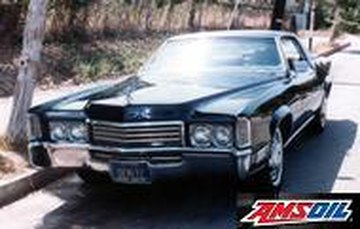
Selecting Maintenance Components for the 1983 Cadillac ELDORADO 5.7L Diesel
Avoiding Common Mistakes in Oil Filter Selection
When performing maintenance on a vehicle, it is tempting to select an oil filter based on its physical appearance or because it looks identical to a part used on a different engine. However, visual similarity is not a reliable indicator of compatibility. Two filters may share the same outer diameter, height, or even a similar color, but they can differ in critical ways that affect engine health.
The most important factors in filter selection are the internal specifications and the mounting interface. Even if a filter appears to fit the mounting stud, it may have a different thread pitch, a different diameter for the sealing surface, or an incorrect thread length. Using a filter with even a slight mismatch can lead to improper sealing, which may result in external leaks or, more critically, internal pressure issues.
Furthermore, the internal bypass valve setting is specific to the engine's design. This valve is intended to open under certain conditions to ensure that the engine continues to receive lubrication even if the filter becomes restricted. Selecting a filter based on how it looks rather than its engineered application can result in using a component with an incorrect pressure rating, which may impact the way the engine manages oil flow.
Understanding Application-Specific Requirements
For a specific engine like the 5.7L Diesel found in this Cadillac, precision in part selection is necessary. Maintenance components are engineered to meet the exact physical and functional requirements of a particular engine architecture. Relying on "close enough" logic or assuming that parts from a similar year or model will work can lead to mechanical complications.
When evaluating products, focus on these technical distinctions:
- Sealing Surface Integrity: The gasket material and the way it seats against the engine block must be exact to prevent pressure loss.
- Thread Compatibility: The threads must match perfectly to ensure a secure connection that can withstand vibration and thermal expansion.
- Flow Dynamics: The internal filtration media and the design of the flow paths are optimized for specific oil pressures and flow rates.
Because these variables are not always visible to the naked eye, you should never attempt to bypass the verification process by comparing parts side-by-side in a store or using parts from a different vehicle family. The only way to ensure a correct match is to use the specific application data provided for your exact engine and VIN code.
Selecting the Correct Engine Oil
In addition to filtration, choosing the right lubricant is vital. For this 1983 Cadillac ELDORADO, you must match the engine oil to the application-specific viscosity information shown above on this page. Using an incorrect viscosity can alter how the oil flows through the engine components during startup and operation.
While some drivers look toward synthetic or high-mileage formulations, these choices should always be secondary to meeting the correct viscosity and specification requirements. Some high-mileage oil formulations contain additives intended for use in aging engines, including seal-conditioning additives, but these do not replace the need for the correct weight of oil as defined by your vehicle's specific needs.
Practical Next Steps for Maintenance
To ensure you are using the correct components for your 5.7L Diesel engine, avoid guessing based on part appearance or similarity to other vehicles. Instead, refer to the compatible, application-matched oil filter options and the specific engine oil viscosity listed above on this page. Using these verified matches is the most effective way to maintain the integrity of your engine's lubrication system.